Home / Family & Friends / What's happening in the brain when gambling
What's happening in the brain when gambling
Brain and body
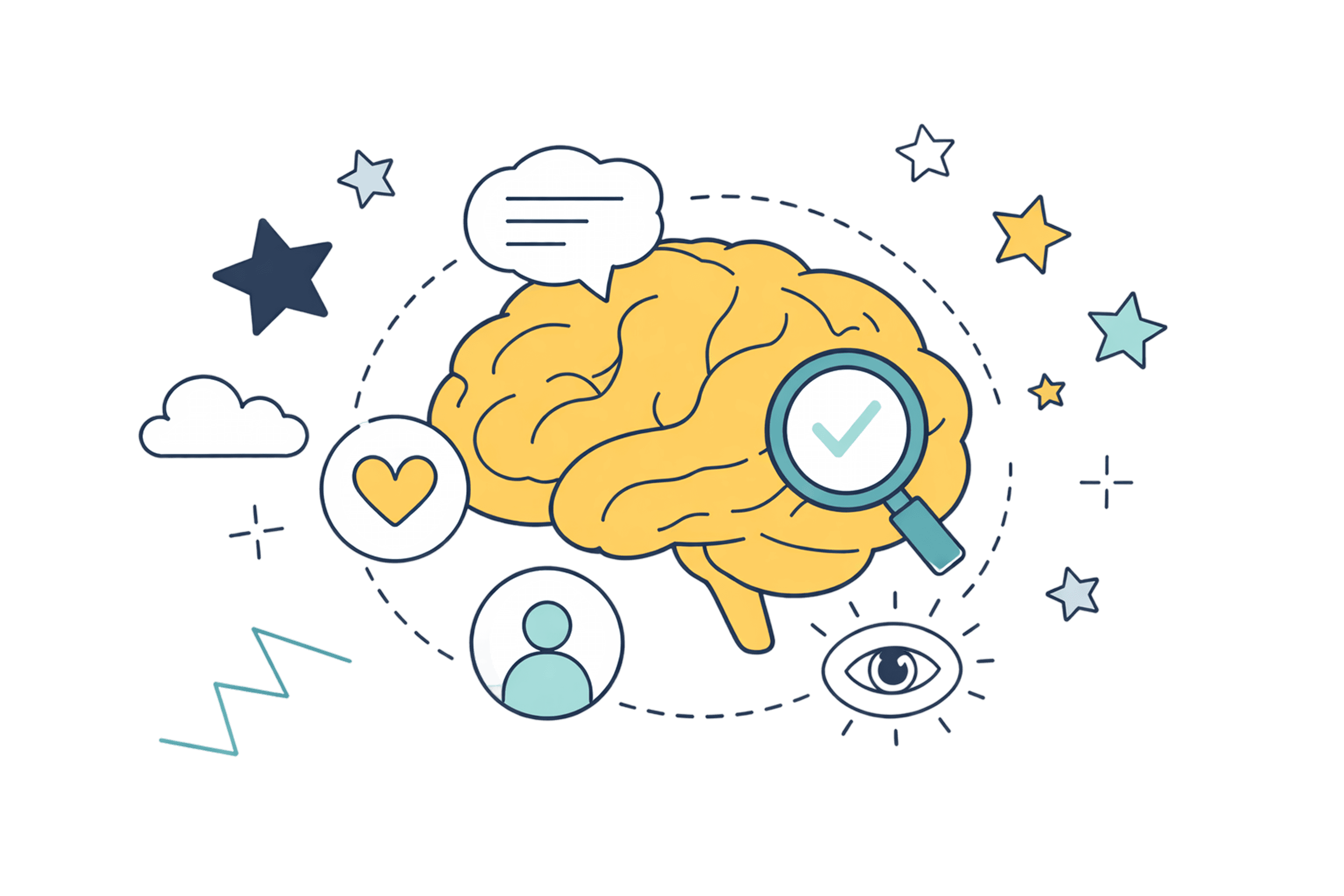
Gambling isn't just a behavior, it's a neurological event. Each bet, spin, or play triggers a cascade of chemical responses in the brain that shape how a person feels, thinks, and makes decisions. Understanding this helps explain why stopping is so much harder than it looks from the outside.
→ Gambling mechanisms aren’t just present in casinos or sportsbetting. Video game loot boxes, collectibles, prediction markets, day trading, online games all have similarities.
The reward that keeps you going
The brain's reward system, driven largely by a chemical called dopamine, is at the center of it. When someone gambles, dopamine is released. This creates feelings of pleasure, excitement, and motivation to keep going. This is the same system activated by food, social connection, and physical intimacy. Gambling hijacks it in an unusually powerful way.
What makes gambling's effect particularly intense is when dopamine spikes: not after a win, but during anticipation — in the moment before the outcome is known. The uncertainty itself is the neurological reward. This is why waiting for the cards to turn over, or watching the ball land, can feel more electric than the win itself.
The brain also responds to near-misses, like two out of three symbols, a team losing by a point, almost the same way it responds to a win. The message is "almost — try again." This happens automatically, below conscious awareness, and keeps people engaged even through repeated losses.
A tough car to drive
Over time, the brain adapts to repeated gambling. The dopamine response lowers, meaning more gambling is needed to feel the same level of excitement. The behavior also shifts from the brain's reward center to its habit center, and the result is the behavior is more automatic and less deliberate. Meanwhile, the prefrontal cortex, responsible for impulse control and rational decision-making, becomes less active.
Think of it this way: the parts of the brain driving the gambling get stronger, while the part responsible for the brakes gets weaker. That's not a metaphor for weakness of character, but rather a description of what's physically happening in the brain. How could you successfully manage a vehicle if the accelerator were superpowered and the brakes were broken?
We think this video explains it all really well.
Related
Explore more in the community
Find more articles, tools, and real stories in the community.