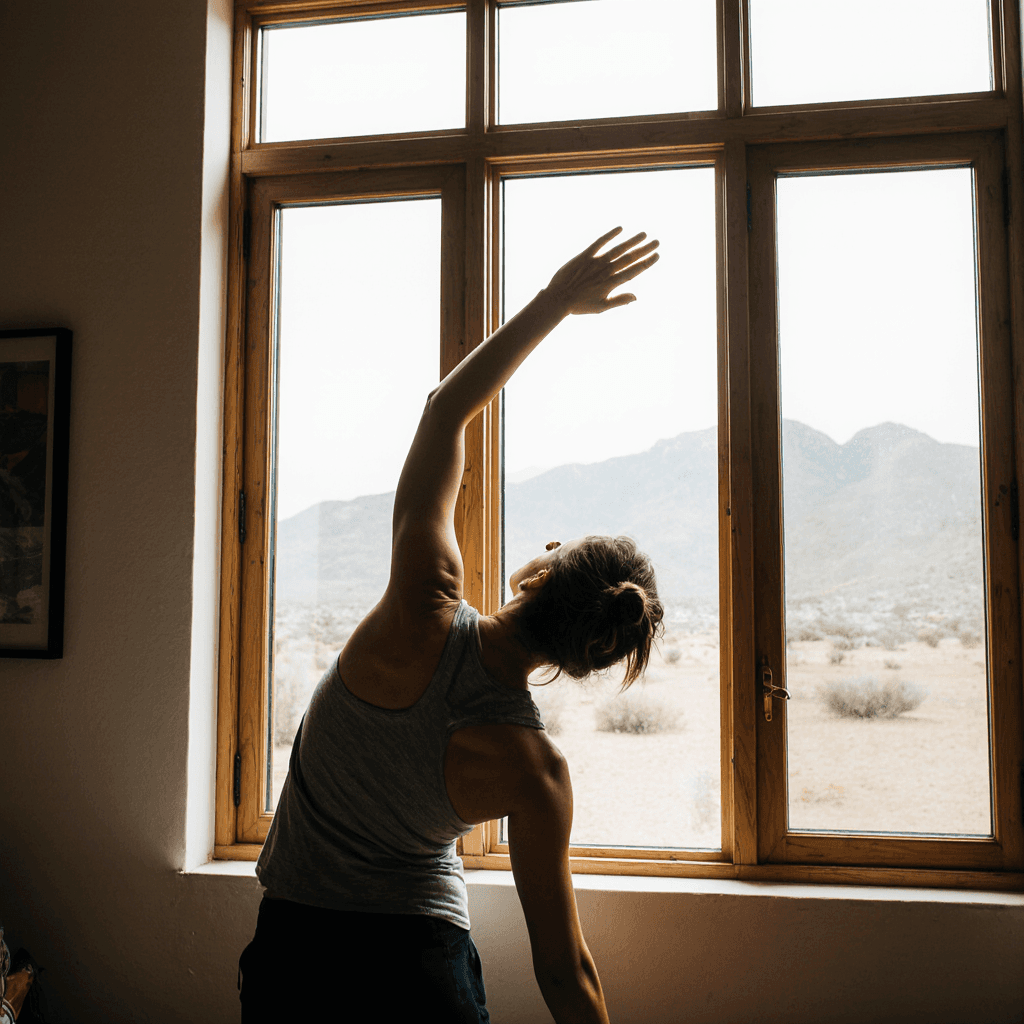
Lesson 6: Moving Your Body
5 Minutes Changes Everything
Welcome (1 minute)
Lesson 6. Thanks for not skipping this one.
Saw "Moving Your Body" and almost clicked away? I get it. You're exhausted, maybe in pain, definitely not trying to hear about exercise.
Good news: This isn't about exercise. It's about a weird brain hack that actually helps with cravings.
Your Brain Makes Its Own Drugs (3 minutes)
For real. When you move - even a tiny bit - your brain releases chemicals that:
Reduce pain (natural painkillers)
Boost mood (free antidepressants)
Calm anxiety (better than nothing)
Clear brain fog (helps you think)
Help you sleep (eventually)
You spent years putting chemicals in your body. Turns out your body makes its own - you just have to move a little to release them.
Here's the thing: In early recovery, your brain forgot how to make these feel-good chemicals. That's part of why everything hurts and nothing feels good. Your medication helps with some of it, but movement reminds your brain how to help itself.
What 5 minutes actually does:
Interrupts cravings (remember RIDE?)
Burns off that crawling-skin feeling
Releases anger without breaking stuff
Proves you can feel 1% better naturally
Gives you something to tell your counselor
The catch? When you need it most, movement feels impossible. Everything hurts. You're tired but wired. Even walking to the kitchen feels like too much.
Movement for People Who Feel Like Shit (3 minutes)
Forget gym stuff. Here's movement for real life:
In the waiting room:
Flex your feet up and down
Roll your shoulders back
Squeeze your hands, then release
Stretch your neck side to side
Stand up to get water
Can't sleep at 3 AM:
Walk to bathroom and back, twice
Gentle stretches in bed
Stand and touch your toes (or try)
Shake your hands like they're wet
Step side to side 10 times
When you're angry/anxious:
Walk around the building
Push against a wall (sounds dumb, helps)
Squeeze a water bottle
Pace while you're on the phone
Clean something aggressively
Bare minimum counts:
Stand during commercials
Walk to get your own water
Take stairs once today
Park farther away (just a little)
Dance to one song
Using what's around:
Clinic parking lot = walking track
Waiting for bus = calf raises
Commercial breaks = movement breaks
Angry at someone = walk it off instead
But I Can't Because... (2 minutes)
"I'm too tired"
Withdrawal and depression lie to you. Five minutes of movement gives energy, not takes it. Try it and see.
"Everything hurts"
Start gentler than gentle. Seriously - even stretching your fingers counts. Pain isn't the goal.
"This is stupid"
Maybe. But losing your whole check because your brain was desperate for dopamine? That's stupider. Movement = free dopamine.
"People will look at me"
Everyone at the clinic is dealing with their own stuff. Nobody's watching you stretch your neck.
"I can barely get to the clinic"
Then move in your room. In bed. In the shower. No special location needed.
Do This Right Now (1 minute)
Before you close this lesson. Pick ONE:
If sitting: Lift both feet off the floor for 5 seconds
If lying down: Bicycle your legs in the air 5 times
If standing: March in place 10 steps
If everything hurts: Just squeeze all your muscles tight for 5 seconds, then let go
Done? You just gave your brain a tiny hit of its own feel-good chemicals. Free ones. Legal ones.
Tell your counselor you're trying movement for cravings. They'll be impressed you're using multiple tools.
Remember This (30 seconds)
Every substance kept you still. Every casino wants you sitting for hours. Every dealer profited from you being too sick to leave.
Movement - even tiny movement - is recovery.
Your body kept you alive through hell. Five minutes of movement is you saying thanks.
Tomorrow we'll talk about changing up your routine to avoid triggers. But today? Just move for 5 minutes.
See you in lesson 7.